When buyers search for the cost of dog waste stations, they usually want a simple number.
That is the wrong starting point.
The real cost of a dog waste station is not just the price of the post, dispenser, or trash can. It includes installation, refill bags, maintenance time, replacement risk, and how well the station holds up in the field over time.
For parks, HOAs, apartment communities, and cities, the smarter question is not just what does a dog waste station cost. The better question is:
What does it cost to buy, install, and keep running without problems?
This guide breaks down the main cost drivers so buyers can make better decisions and avoid false savings.
What Affects the Cost of Dog Waste Stations
Dog waste station pricing can vary based on several factors. Two stations may look similar online and perform very differently once they are installed outside.
1. Station Material and Build Quality
Commercial-grade dog waste stations are usually built with stronger materials designed for outdoor exposure, repeat use, and ongoing maintenance.
The cost may increase based on:
- metal thickness
- powder-coated finish
- weather resistance
- locking hardware
- heavy-duty post construction
- vandal resistance
A lower-cost station may look fine in a catalog and become expensive later if it rusts, bends, or fails early.
2. Included Components
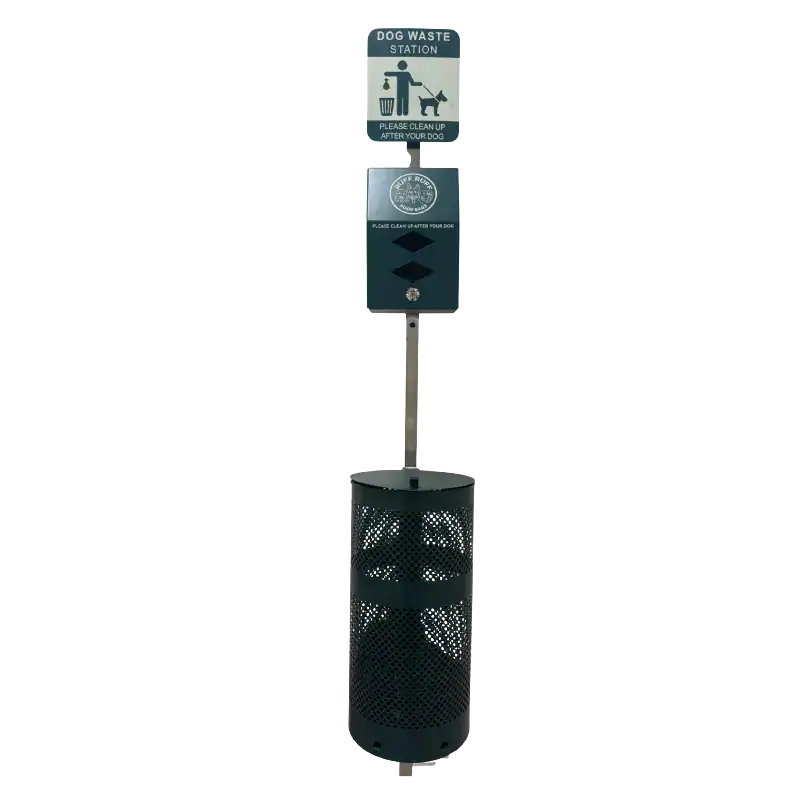
Some dog waste stations include only a bag dispenser and sign. Others include:
- mounting post
- waste receptacle
- signage
- locking access
- mounting brackets
- hardware
The more complete the setup, the higher the upfront cost may be.
3. Installation Conditions
Installation cost depends on the actual site.
A station installed into an easy-access soil area may cost less to install than one going into concrete, a harder surface, or a location with access limitations.
Installation cost may be influenced by:
- surface condition
- mounting method
- number of stations
- travel time for crews
- whether the site needs prep work
- visibility and accessibility requirements
4. Refill Bag Type
The station itself is only part of the cost. Refill bags become an ongoing operating expense.
Bag cost depends on:
- bag type
- material quality
- commercial strength
- case quantity
- dispenser compatibility
- whether the bags are standard or compostable
Busy parks and HOAs may go through bags much faster than expected.
5. Ongoing Maintenance
A dog waste station that is hard to service costs more in labor over time.
Maintenance costs may include:
- bag refills
- cleaning
- trash removal nearby
- inspections
- hardware tightening
- repairs or part replacement
A station that saves a few dollars upfront but takes more time to maintain may not actually save money.
Upfront Cost vs Long-Term Cost
This is where many buyers make the wrong call.
They compare the hardware price and stop there.
That often leads to buying the cheapest station instead of the station with the best total value.
A Lower-Cost Station May Cost More Later If It:
- rusts or fades quickly
- needs replacement sooner
- uses hard-to-source refill bags
- jams or dispenses poorly
- takes longer to refill
- creates more maintenance headaches
- gets ignored because placement and setup were poorly planned
The real buying decision should be based on total cost of ownership.
That means looking at:
- initial purchase price
- shipping
- installation
- bag refills
- staff labor
- maintenance frequency
- repair or replacement risk
What Parks, HOAs, and Cities Should Compare
If you are comparing dog waste station options, do not just compare price per unit.
Compare these instead:
Durability
How well will the station hold up outside over time?
Ease of Service
How easy is it to refill bags, inspect, and maintain?
Bag Compatibility
Does it use a refill format that is easy to source and standardize?
Visibility and Practical Use
Will the station actually get used where it is being installed?
Long-Term Operating Cost
How much staff time and replacement cost will this station create over the next few years?
For many buyers, the cheapest station is not the lowest-cost decision.
Why Cheap Dog Waste Stations Can Become Expensive
Cheap stations usually cost more in one of two ways.
1. They Fail Faster
If the hardware breaks down early, you end up paying again through replacement, labor, or complaints from residents and users.
2. They Create More Operational Friction
A station that is awkward to refill, does not dispense cleanly, or uses inconsistent refill types may create recurring service problems that cost time every month.
That matters for:
- parks departments
- public works teams
- HOA maintenance vendors
- apartment maintenance teams
- community managers trying to reduce complaints
The point is simple.
The wrong station may look cheaper and still cost more.
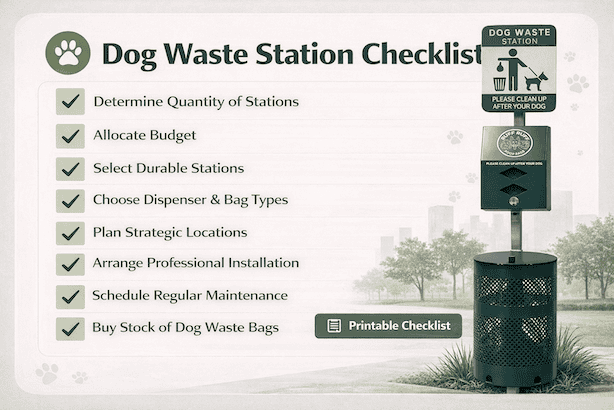
Dog Waste Station Cost Categories Buyers Should Budget For
Here is the easiest way to think about budget planning.
Initial Equipment Cost
This includes the post, dispenser, sign, and any included trash can or attached receptacle.
Freight or Shipping
Large or heavy stations may carry a meaningful freight cost, especially in multi-unit orders.
Installation Labor
Site-specific installation should be treated as its own budget line.
Refill Bags
This is one of the main recurring costs. High-traffic locations may need more frequent replenishment than expected.
Maintenance Time
The staff time required to refill, inspect, and keep stations running should be part of the cost calculation.
Repair and Replacement
Long-term budgeting should account for wear, damage, and eventual replacement.
How to Think About Value Instead of Just Price
The best dog waste station value usually comes from a balance of:
- durable construction
- reliable bag dispensing
- easy refill process
- straightforward maintenance
- sensible bag cost
- good service support from the supplier
For commercial buyers, supplier reliability matters too. Fast communication, steady inventory, and easy reorder support can reduce friction more than people expect.
That is especially true for cities, HOAs, and parks that do not want to keep chasing basic supply problems.
Common Buying Mistakes
Buying Based Only on Unit Price
This ignores labor, replacement risk, and refill efficiency.
Underestimating Bag Usage
Some sites go through bags faster than expected, especially high-traffic parks and dog-heavy communities.
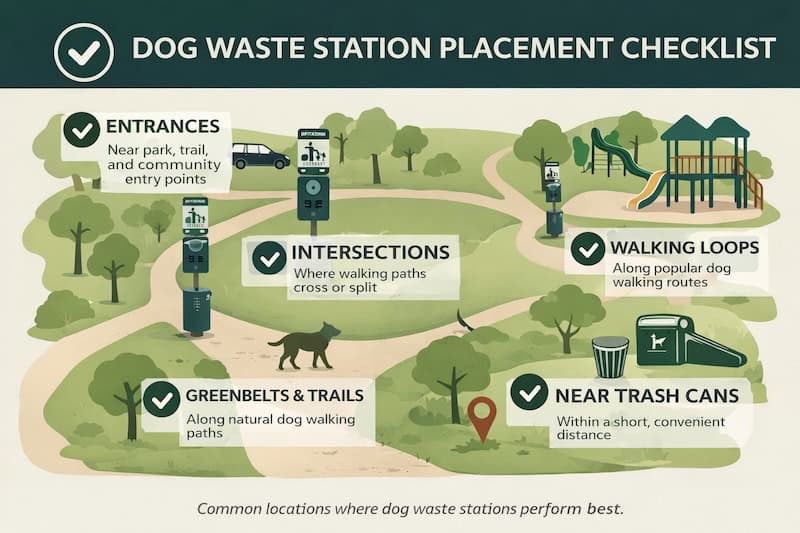
Ignoring Placement When Budgeting
A poorly placed station may waste money even if the hardware itself is fine.
Mixing Refill Types
Using multiple bag types across different stations creates unnecessary confusion and service issues.
Forgetting Maintenance Labor
Even a strong station still carries an operating cost.
Is a More Expensive Dog Waste Station Worth It
Sometimes yes.
A higher-priced commercial dog waste station may be worth it if it:
- lasts longer
- reduces maintenance time
- holds up better in weather
- uses standardized refills
- is easier for staff to service
- avoids replacement costs later
For many parks, HOAs, and municipalities, paying a little more upfront for better durability and easier operation may lead to lower total cost over time.
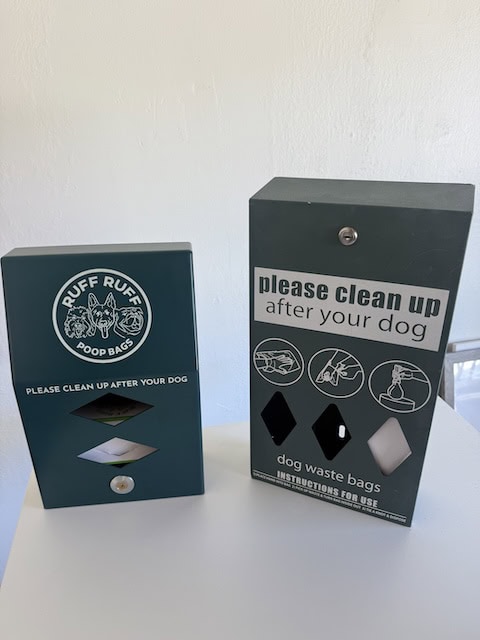
How to make a Ruff Ruff Dog Waste Dispenser
Final Thoughts on the Cost of Dog Waste Stations
The cost of dog waste stations is not a single number. It is a system cost.
The station price matters, but it is only one part of the decision.
The smarter approach is to look at the full picture:
- equipment quality
- installation conditions
- bag refill costs
- maintenance labor
- long-term durability
- supplier reliability
That is how parks, HOAs, and cities avoid buying something cheap that becomes expensive later.
If you are planning a full station rollout or replacement project, start by understanding not just what the station costs today, but what it may cost to own and run over the next few years.
For a broader overview, read our Dog Waste Stations: Complete Guide for Parks, HOAs, and Cities, . You should also review our Dog Waste Station Placement; Guide and Dog Waste Station Maintenance Checklist before making a final buying decision.
FAQ:
How much does a dog waste station cost?
Dog waste station cost depends on material quality, included components, installation requirements, refill bags, and long-term maintenance needs.
What affects dog waste station pricing the most?
The biggest factors are construction quality, included features, installation surface, refill bag cost, and maintenance requirements.
Are cheaper dog waste stations worth it?
Sometimes, but many lower-cost stations become more expensive later if they fail early, require more maintenance, or create replacement issues.
What is included in the total cost of a dog waste station?
The total cost may include the station, shipping, installation, refill bags, maintenance labor, and eventual repair or replacement.
Should parks and HOAs compare more than just station price?
Yes. Buyers should compare durability, refill compatibility, maintenance ease, and total cost of ownership, not just the initial price.
.