Dog parks aren’t a “nice-to-have” anymore. They’re becoming core infrastructure for cities, HOAs, and park districts as dog ownership rises and residents expect more dog-friendly public spaces. One recent industry feature highlights how dog parks are shifting from basic fenced enclosures into thoughtfully designed spaces with equipment, separation zones, shade, lighting, and better water planning. floof-forward-dog-park-design-commercial-dog-waste-bags
But here’s the operational truth: every design upgrade increases ongoing maintenance responsibility—and dog waste is the fastest way a great-looking dog park becomes a complaint magnet.
This post breaks down the latest design approaches and turns them into something parks teams can actually use: a practical, maintenance-first blueprint—with a heavy focus on commercial dog waste bags, dispensers, and restocking systems.
1) A Fence Isn’t a Dog Park Anymore
The article’s first big point is blunt: a fenced area plus a bench is closer to a “relief area” than a real dog park. Modern dog parks are being designed with multiple play zones, varied equipment, and amenities that encourage better behavior and better traffic flow. floof-forward-dog-park-design-commercial-dog-waste-bags
Why that matters for maintenance:
More use = more wear. More dogs = more waste. If the design invites high usage but your waste setup is an afterthought, you’ll end up with:
- overflowing dispensers,
- bags on the ground,
- waste left on trails,
- and staff time constantly pulled into reactive cleanup.
Operational takeaway: If you invest in features, you also need to invest in the boring stuff that keeps the park usable: waste stations, bags, and replenishment.
2) Water Features: Fun, Expensive, and Easy to Get Wrong
Water is one of the most requested dog park amenities—and one of the easiest to mismanage. The article notes recent issues tied to water features, including disease concerns and the importance of filtered water and drainage that prevents standing water. floof-forward-dog-park-design-commercial-dog-waste-bags
It also points out a real behavior pattern: if water features leave dogs soaked and muddy, some owners stop coming—because they’re putting a wet dog back in a clean car.
What this means for dog waste management:
Water + mud + heavy traffic tends to concentrate dogs in fewer spots. When dogs cluster, waste clusters.
Best practice (simple):
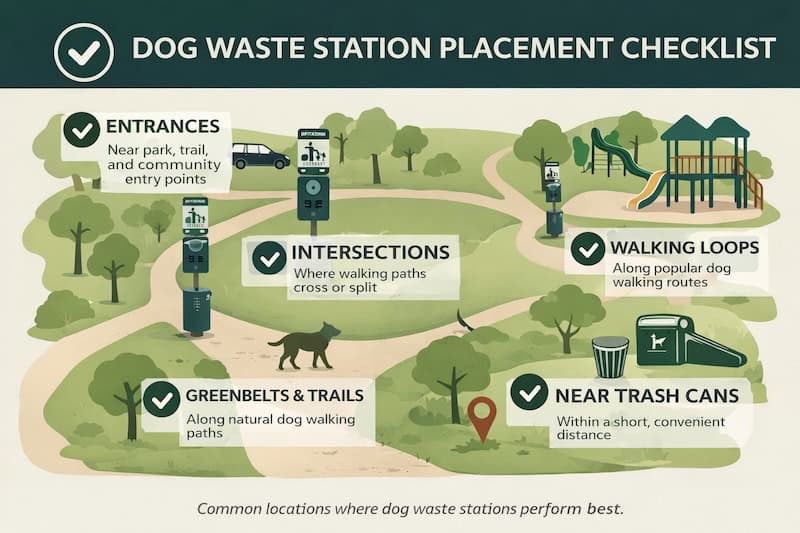
- Place waste stations near entrances/exits and along the “most common loop.”
- Add a station near any water or rinse area, because dwell time increases there.
- Use commercial dog waste bags that won’t tear when people are rushing or dealing with mud.
3) Separation Zones Reduce Conflict (and Improve Cleanliness)
When space allows, separate areas for large and small dogs—and even “shy dog” or “singles” acclimation areas—help reduce conflict and make the space more welcoming.
Why it matters operationally:
Each zone becomes its own micro-park with its own traffic pattern. If you only place one dispenser in the “main” area, you’re forcing people to walk away from the moment to get a bag—which lowers compliance.
Waste-station rule:
Each enclosed zone should have:
- at least one dispenser in the zone, and
- one near the gate/transition area (where people remember to grab a bag).
4) Shade + Placement: Use Goes Up, So Your Stock-Out Risk Goes Up
Shade is no longer optional—parks with shade get better midday use.
The article also notes dog parks are increasingly being placed in more central, social locations (not hidden in remote corners), partly because heavy dog-park traffic can increase eyes-on-the-park and help deter crime.
Central placement is great for community… and brutal on inventory planning.
Operational reality:
The more visible and convenient the dog park is, the faster you burn through bags. A “nice” park that constantly runs out of bags becomes a “gross” park fast.
What to do:
- Move from “we fill it when we remember” to a simple restocking cadence:
- High-use parks: check 2–3x/week
- Medium-use: weekly
- Low-use: every other week
- Keep a small buffer stash in the maintenance vehicle.
- Choose bag packs sized for commercial use (not consumer rolls meant for a pocket).
5) Lighting + Cameras: Don’t Forget the Small-Time Violations
The article highlights that lighting and cameras have come down in cost and can help with liability and enforcement.
It even mentions some properties using dog DNA testing for enforcement when waste isn’t being picked up.
You don’t need extreme enforcement to improve compliance.
The highest ROI approach is still friction reduction:
- Bags are visible.
- Dispensers are stocked.
- Signage is clear.
- Stations are placed where behavior happens.
When people have to “go find a bag,” you lose.
6) The Line Every Parks Team Should Tattoo on Their Forehead
The article spells out the hidden cost: bigger dog parks mean more responsibilities for waste management, fencing, and landscaping maintenance—and the most important goal is keeping the park clean and safe.
This is the core procurement argument for commercial-grade supplies.
Why “commercial dog waste bags” are different
Parks and HOAs shouldn’t buy bags like a consumer does. Commercial use needs:
- consistent supply (no random brand changes),
- durability (less tearing, fewer “double pulls”),
- reliable dispensing (so people take one, not ten),
- and packaging that fits your dispenser design.
Why dispensers matter as much as bags
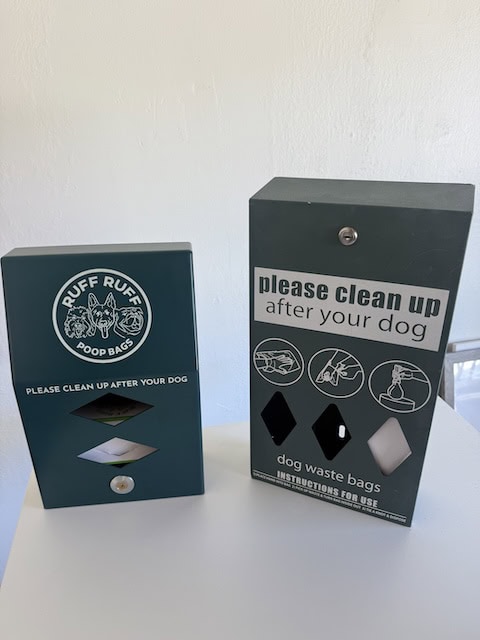
A great bag in a flimsy dispenser still fails. The park needs:
- weather resistance,
- secure housing to reduce theft/vandalism,
- and fast refills for staff.
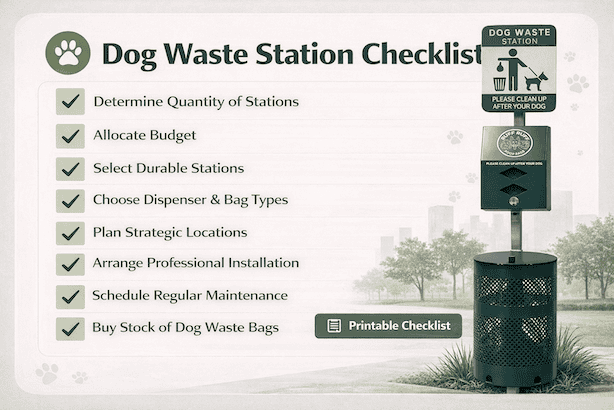
A Simple Dog Park Waste Management Checklist (Steal This)
Placement
- Entrance + exit
- Each fenced zone (large/small/shy)
- Near water/rinse areas
- Along primary walking loop
Inventory
- Restocking cadence by park usage
- Buffer stock per crew vehicle
- Standardized bag type (avoid “whatever we found”)
Signage
- “Grab a bag here”
- “Dispose here”
- Make it obvious, not preachy
Maintenance Integration
- Tie bag refill to existing mowing/trash route
- Log refills (even a simple note) so stock-outs don’t surprise you
Final Thought: Design Creates Demand—Operations Sustains Trust
Dog parks are becoming more sophisticated: equipment for confidence-building, better layouts, smarter water choices, more separation areas, improved shade, and even new models like dog bars.
But the “trust” part—the thing residents judge you on—often comes down to whether the park is clean, stocked, and usable on a random Tuesday.
If you want, paste your city/HOA dog park count + number of existing stations, and I’ll give you a simple stocking + restocking plan (how many dispensers, where to put them, and a monthly bag forecast) that you can hand to your parks supervisor or contractor.
Here is the full article: floof-forward-dog-park-design-commercial-dog-waste-bags