Dog waste stations are one of the simplest ways for parks, HOAs, apartment communities, and cities to keep shared outdoor spaces cleaner. When stations are placed correctly, stocked consistently, and built with commercial-grade materials, they help reduce complaints, improve property appearance, and make cleanup easier for dog owners. Go to our blog to reference many articles to also help Ruff Ruff All About Dog Waste Bags BLOG
This guide breaks down what dog waste stations are, why they matter, how many you may need, where to place them, how to maintain them, what they cost, and the mistakes that cause problems later.
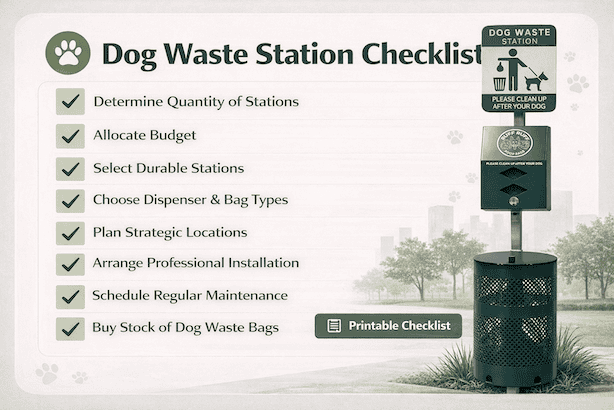
What Are Dog Waste Stations
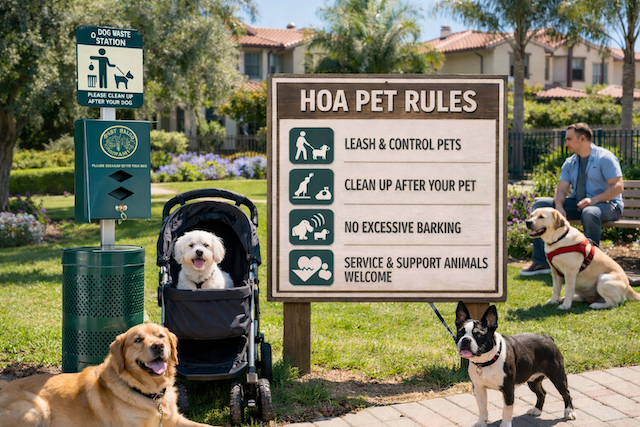
Dog waste stations are outdoor cleanup stations that give dog owners access to waste bags and a clear reminder to pick up after their dogs. In many cases, they are placed near walking routes, park entrances, HOA greenbelts, trailheads, and apartment common areas.
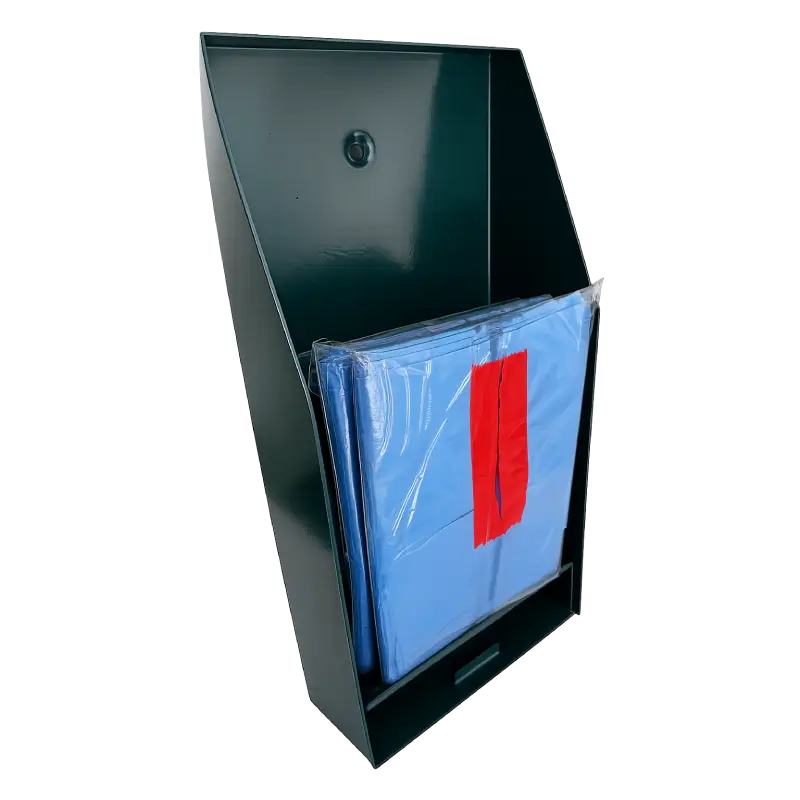
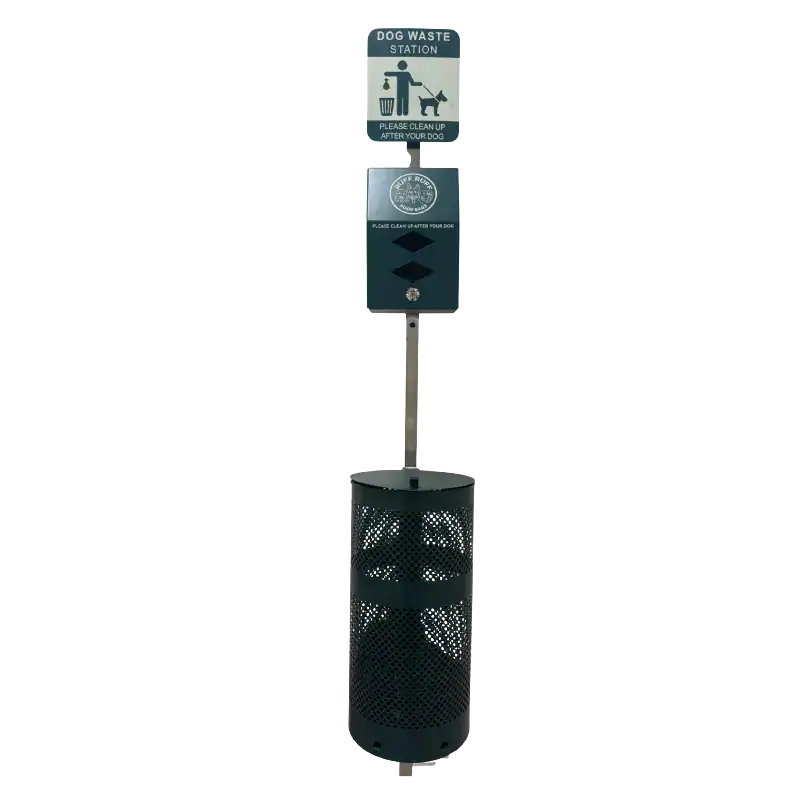
A typical dog waste station may include:
- A mounting post
- A bag dispenser
- Signage
- Access to a nearby trash can or attached waste receptacle
For commercial properties, dog waste stations are not just a convenience item. They are part of a property maintenance system. A properly managed station setup may reduce visible waste, improve the user experience, and help maintenance teams create a more predictable service routine.
Why Parks and HOAs Need Dog Waste Stations
Dog waste is one of those problems that creates an outsized reaction. Residents may overlook small maintenance issues. They do not usually overlook stepping in dog waste.

Cleaner Shared Spaces
When dog owners have a bag close by, compliance often improves. The easier you make cleanup, the more likely people are to follow through.
Fewer Complaints
Dog waste can quickly trigger calls, emails, online reviews, and direct complaints to HOA boards, property managers, and parks staff.
Better Resident and Visitor Experience
Parks, trails, sidewalks, and greenbelts feel more cared for when they are clean. That affects how people judge the property as a whole.
Easier Maintenance Planning
Dog waste stations help turn an unpredictable issue into a manageable routine. Instead of reacting to complaints, teams can build a regular restocking schedule.
Clear Expectations for Dog Owners
A visible station sends a simple message. Cleanup is expected here, and the property has made it easy to do the right thing.
How Many Dog Waste Stations Are Needed
There is no single formula that fits every site. The right number depends on layout, walking patterns, dog traffic, and distance between high-use areas.
A simple rule is this:
Install enough stations so dog owners see one before they need one, not after.
Small HOA or Pocket Park
A smaller property with one main walking path or one dog-heavy area may only need one or two stations.
Mid-Sized HOA, Apartment Community, or Neighborhood Park
Two to five stations is common, depending on the number of entrances, walking loops, and shared green spaces.
Large Park or Trail Network
Larger sites often need stations at trailheads, entry points, parking lot access paths, lawn edges, intersections, and high-traffic dog walking routes.
Factors That Affect Station Count
- Number of dog owners using the property
- Property size and shape
- Number of entrances and exits
- Trail and sidewalk layout
- Whether there are repeat complaint areas
- Distance to trash cans
- Traffic from residents, visitors, and events
One of the biggest mistakes is assuming one station near the entrance is enough. In many properties, that setup breaks down quickly.
Dog Waste Station Placement Strategy
Placement is where many station programs either work or fail. A high-quality station in the wrong spot may get ignored. A well-placed station usually performs better.
Place Stations Where Walks Begin
Good locations include:
- Park entrances
- Trailheads
- HOA gates
- Sidewalk access points
- Parking lot walk-ins
This gives dog owners a chance to grab a bag before they need it.

Place Stations Along Natural Walking Routes
Think in terms of movement patterns, not just empty space on a map. Strong locations often include:
- Path intersections
- Corners of greenbelts
- Route changes
- Open lawn access points
- Trail splits
Focus on Problem Areas
If your team keeps seeing waste in the same location, that area is telling you something. Common problem zones include:
- Along fence lines
- Near greenbelt edges
- Around playground buffer areas
- Beside sidewalks
- Behind common-area landscaping
- Along perimeter walking paths
Keep Disposal Practical
A station works best when users have a nearby place to dispose of the bag. If people pick up the waste but cannot find a trash can, you may end up with bag litter instead.
Avoid Hidden Placement
Do not install stations where they disappear behind shrubs, signs, parked cars, or deep landscaping. If people do not see them, they do not use them.
Related article: [Dog Waste Station Placement Guide]
Maintenance Requirements for Dog Waste Stations
Installation is only the starting point. The long-term performance of dog waste stations depends on maintenance.
An empty or broken station teaches people to stop relying on it.
Core Maintenance Tasks
A basic maintenance routine should include:
- Refilling bags
- Checking for dispenser jams
- Inspecting locks, hinges, and doors
- Verifying the post is secure
- Cleaning exterior surfaces
- Replacing damaged signage
- Checking nearby trash capacity
- Watching for rust, damage, or vandalism
How Often Stations Should Be Checked
The right frequency depends on traffic.
- High-traffic properties: 2 to 3 times per week
- Moderate-traffic properties: weekly
- Lower-traffic properties: every 1 to 2 weeks, then adjust based on usage
Why Consistency Matters
A station program does not fail all at once. It fails through missed refills, damaged hardware, and inconsistent upkeep. The more predictable the service routine, the better the results tend to be.
Related article: [Dog Waste Station Maintenance Checklist]
Cost of Dog Waste Stations
Dog waste station costs vary depending on material quality, dispenser design, post style, included accessories, and installation needs.
What Affects the Cost
The main cost factors include:
- Station material and durability
- Weather resistance
- Locking dispenser design
- Included signage
- Mounting system
- Attached waste can or nearby receptacle setup
- Shipping
- Installation labor
- Ongoing refill costs
Think Beyond the Purchase Price
Many buyers focus too much on the upfront unit cost and not enough on total cost over time.
A lower-cost station may become more expensive if it:
- Rusts early
- Breaks in bad weather
- Uses hard-to-source refills
- Needs frequent replacement
- Creates more work for maintenance teams
The better question is this:
What is the total cost to own and maintain this station over the next 2 to 5 years
That includes the initial purchase, installation, bag refills, labor, and replacement cost.
Related article: [Dog Waste Station Cost Guide]
Best Commercial Dog Waste Bags
The bag matters more than many buyers realize. Not all dog waste bags are built for commercial use.
Consumer bags may work fine at home. Commercial sites need bags that dispense smoothly, hold up under regular use, and fit station hardware correctly.
What to Look for in Commercial Dog Waste Bags
- Strong film that resists tearing
- Consistent perforation
- Easy dispensing
- Reliable case counts
- Good dispenser compatibility
- Practical cost at volume
Why Bag Quality Matters
Poor bags lead to poor outcomes. If bags tear, stick, jam, or run out too quickly, the station stops being a solution and starts becoming another complaint source.
For parks, HOAs, and cities, the best commercial dog waste bags are the ones that combine durability, reliable dispensing, and a sensible operating cost.
Compostable Bag Options
Compostable dog waste bags are a common question, especially for properties with sustainability goals. They may be a good option in some settings, but they need to be evaluated honestly.
When Compostable Bags May Make Sense
- Properties with environmental initiatives
- Municipal buyers with sustainability requirements
- HOAs that want greener purchasing options
- Sites looking to align maintenance choices with brand values
Questions to Ask Before Choosing Compostable Bags
- Are they durable enough for daily commercial use
- Will they dispense properly in your station
- Do they hold up in outdoor storage conditions
- Does your disposal setup support the environmental goal
- Are you prioritizing cost, sustainability, or a balance of both
The Practical Reality
A compostable bag that tears, jams, or causes service issues may create more frustration than benefit. Commercial buyers need performance first, then marketing language second.
Related article: [Compostable Dog Waste Bag Guide]
Common Dog Waste Station Installation Mistakes
Most station problems do not come from the idea itself. They come from poor planning or poor execution.
Installing Too Few Stations
One station near the entrance is rarely enough for a larger or more active property.
Choosing Placement Based on Installation Ease
The easiest place to install a post may not be where dog owners actually walk.
Ignoring Walking Behavior
If stations are not placed along real dog-walking routes, usage drops.
Using Light-Duty Equipment
Commercial properties need stations built for outdoor exposure, regular use, and repeat refilling.
Forgetting the Trash Plan
Bag access without nearby disposal can create a second problem: abandoned tied bags.
Not Assigning Refill Responsibility
If no one owns the restocking process, stations will eventually sit empty.
Buying Only on Lowest Price
The cheapest option may create higher costs later through failure, replacement, and extra maintenance time.
Using Inconsistent Refill Formats
Mixed bag types and incompatible refills slow down service and create unnecessary operational friction.
Related article: [Dog Waste Station Installation Guide]
How to Choose the Right Dog Waste Stations
If you are buying dog waste stations for a park, HOA, apartment property, or city, focus on the basics that matter in the field.
Look for:
- Commercial-grade construction
- Easy bag refilling
- Reliable dispensing
- Good weather resistance
- Strong visibility
- Simple maintenance
- Practical long-term cost
- A supplier that communicates quickly and follows through
That last part matters more than many buyers expect. A station is not just a product purchase. It is part of a service relationship. Fast response time, dependable inventory, and consistent customer support make station programs easier to run.
Final Thoughts
Dog waste stations are simple, but they solve a real operational problem when they are done right. For parks, HOAs, and cities, they may help reduce complaints, improve cleanliness, and make shared spaces easier to manage.
The best results usually come from a straightforward system:
- Install enough stations
- Put them where dog owners actually walk
- Use durable commercial bags
- Create a refill routine
- Avoid the mistakes that lead to empty or ignored stations
Treat dog waste stations as part of your property maintenance system, not as a one-time hardware purchase. That is how they create real value over time.
FAQ Section for SEO
Frequently Asked Questions About Dog Waste Stations:
What are dog waste stations used for?
Dog waste stations are used to give dog owners easy access to cleanup bags and a visible reminder to pick up after their pets in shared outdoor spaces.
Where should dog waste stations be placed?
Dog waste stations should be placed near entrances, trailheads, walking paths, greenbelts, intersections, and other high-traffic dog walking areas where people are likely to need a bag.
How many dog waste stations does a park or HOA need?
The right number depends on property size, layout, dog traffic, and walking routes. Smaller sites may need one or two stations, while larger parks and HOA properties may need several.
Are compostable dog waste bags better for parks and HOAs?
Compostable bags may be a good fit for some properties, but buyers should evaluate durability, dispenser compatibility, and disposal setup before switching.
What is the biggest mistake when installing dog waste stations?
One of the biggest mistakes is installing too few stations or placing them in low-visibility areas that dog owners do not naturally pass.