Taking over a new HOA landscape account is an exciting milestone. It represents a new client relationship, additional recurring revenue, and an opportunity to showcase operational excellence. However, account managers often become discouraged quickly when they start uncovering hidden issues left behind by previous vendors. Dog waste station programs are a perfect example of that.
Although they seem minor, poorly managed dog waste stations can generate a surprising number of resident complaints. These can stem from previous vendors who may have used incompatible bag systems, skipped refill schedules, neglected maintenance, or established inconsistent service routines, none of which they documented. The issue worsens when the new landscape account manager inherits these consequences, usually without any records explaining how the system was managed.
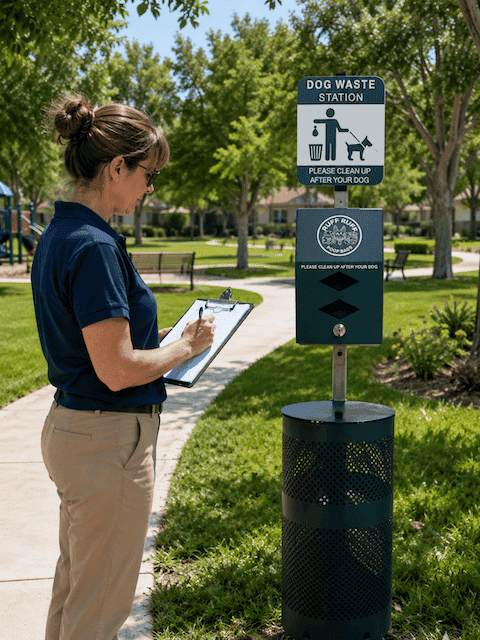
Within the first few weeks, familiar problems begin to appear:
- KEYS: not have the correct keys
- Residents report empty stations
- HOA managers send photos of overflowing dispensers
- Crews become confused about which bags fit which stations
- Inventory issues emerge
- Previously hidden maintenance problems become visible
It’s no surprise to learn that most successful landscape companies that inherited dog waste station programs require immediate operational audits. The goal is to address these issues early on in order to prevent recurring complaints, build trust with HOA managers, and establish a foundation for a smooth, long-term partnership.
Why Inherited HOA Properties Create Operational Challenges
Most HOA communities have been managed by multiple vendors over the years. Landscape contractors change, property managers rotate, and board members come and go. As a result, purchasing decisions evolve. One evident consequence of this is the increasing inconsistency of dog waste station programs.
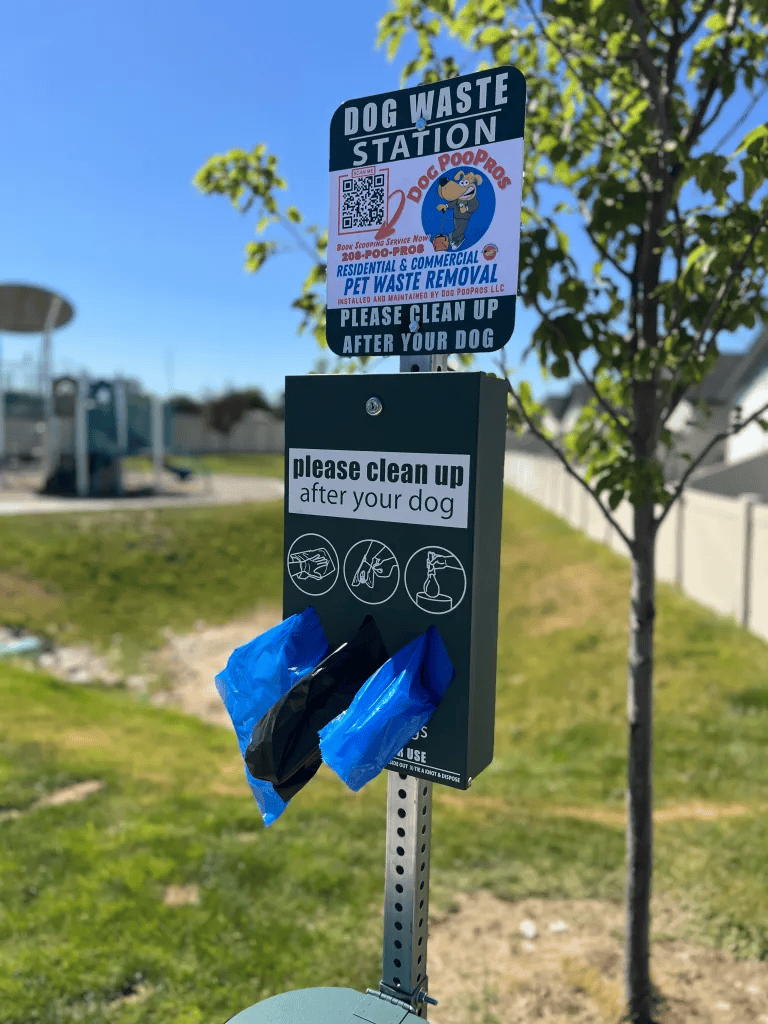
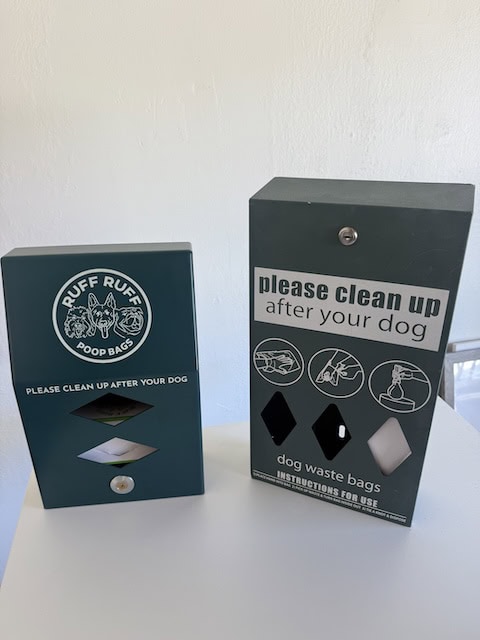
One community may use header bags, while another may use roll bags. Some stations may be stocked with inexpensive Amazon replacements, while others use discontinued products that are difficult to source.
Unfortunately, these decisions are rarely documented because dog waste stations are often viewed as secondary maintenance items until residents start complaining. Therefore, when a new landscape company takes over, its crews must try to figure out a system that has developed through years of inconsistent decisions.
Start by Checking Dispenser Compatibility
Dispenser compatibility should always be the main priority. Inherited HOA properties often have a variety of station brands, bag dispensing systems, refill methods, and equipment ages. Assuming that every refill bag fits every dispenser is one of the quickest ways to cause operational problems. Having said this, incompatible bags can lead to:
- Jammed dispensers
- Torn bags
- Inventory confusion
- Stations that appear empty even when stocked
- Increased resident complaints
To avoid the issues listed above, account managers should identify each necessity before placing inventory orders, namely:
- The manufacturer of each station
- Required bag style
- Roll or header bag dimensions
- Mounting systems
- Refill accessibility
Targeting all the issues and necessities early will help to eliminate unnecessary confusion and standardize future purchasing.
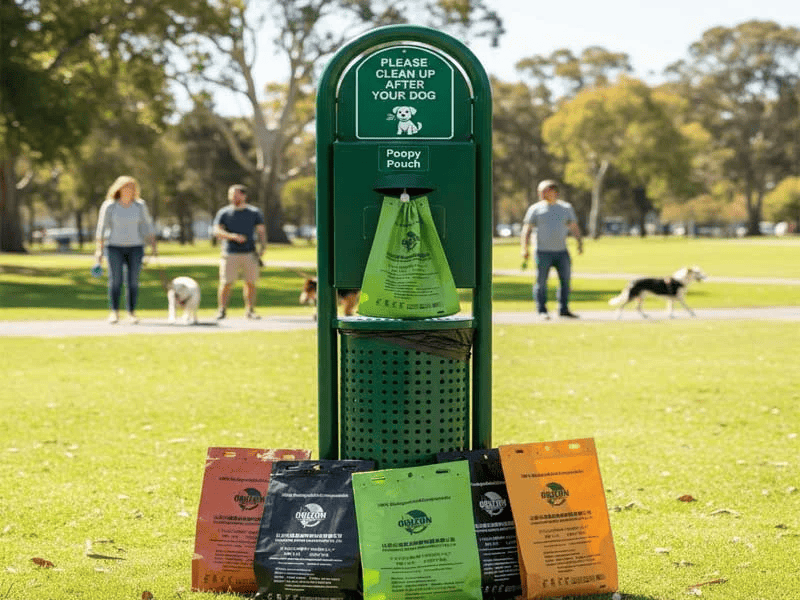
- Review Existing Refill Schedules
One of the biggest issues with inherited HOA properties is the lack of documented refill schedules. In many communities, stations were only refilled:
- When a crew happened to notice they were empty
- After receiving complaint emails
- During occasional property walkthroughs
- Whenever someone remembered
This reactive approach results in inconsistent service, as not all areas require the same attention. Stations located near dog parks, walking trails, clubhouse entrances, and popular pedestrian routes often require more frequent attention than stations in quieter areas. To avoid inconsistencies and to ensure that all stations receive the appropriate care professional account managers should evaluate:
- Bag depletion rates
- Dog traffic patterns
- Resident density
- Historical complaint locations
- Seasonal fluctuations in usage
- Identify High-Visibility Complaint Areas
Not all dog waste stations are equally receive the same attention from residents and that depends mainly from their location. Some locations naturally attract more attention from residents than others, which is the case of those positioned near:
- Clubhouse entrances
- Walking trails
- Mailboxes
- Condo pathways
- Playgrounds
- Community parks
It’s important to play close attention to these stations, because residents tend to immediately notice when these are empty or appear poorly maintained. If it doesn’t prove easy to identify which stations are the most relevant, a quick survey asking HOA managers questions such as the following can provide valuable insight:
- Which stations receive the most complaints?
- Which areas experience the highest dog traffic?
- Which stations run out of bags most frequently?
- Are there any recurring resident concerns?
Once the survey is completed and analyzed, account managers can start prioritizing maintenance where it matters most by understanding certain patterns.
- Reduce Crew Confusion During the Transition
Inherited properties often create unnecessary complexity for maintenance crews. Unlike newly installed systems, existing communities may include the following issues:
- Multiple bag formats
- Mixed station brands
- Different lock types
- Missing keys
- Broken dispensers
- Unclear refill responsibilities
Without clear operational procedures, mistakes are inevitable, particularly when supervisors rotate, maintenance routes change, or crews are responsible for multiple HOA communities. Establishing simple, standardized systems early makes them much easier to maintain over time, reducing errors and improving efficiency across every property.
- Audit the Physical Condition of Every Station
Equipment inspections are just as important as inventory audits, as many stations already have underlying maintenance issues before a new landscape company takes over. Identifying these problems early helps prevent unexpected failures and allows maintenance teams to address them before they escalate.
Common issues include:
- Rusted dispensers
- Broken locks
- Cracked lids
- Damaged signage
- Unstable mounting posts
- Jammed dispensing mechanisms
Residents aren’t primarily concerned if these issues existed before the vendor transitioned. They make their judgement based on what they observe of the service quality they are getting, and associate the property’s current condition with the current service provider. For this reason, it is essential to document existing conditions during the first inspection.
Photographs of previous damage and written records of deferred maintenance and existing operational issues establish a clear baseline and protect both the landscape company and the HOA in case questions arise later. This documentation also helps prioritize repairs according to their level of urgency.
- Beware of Low-Quality Replacement Supplies
During transition audits, account managers often find that previous vendors tried to cut costs by buying cheap replacement bags from online marketplaces.
While these products may appear similar, they often cause compatibility issues, inconsistent dispensing, and reduced durability. Over time, low-quality supplies can increase labor costs because crews must spend extra time clearing jams, replacing torn bags, and responding to complaints.
If you encounter inexpensive Amazon replacements, it may be worth evaluating whether they are contributing to existing service problems. (Related: Top Park Maintenance Complaints (and How Cities Reduce Them).)
- Why Standardization Improves Long-Term Operations
The fastest path to operational stability after the initial audit is standardization. Rather than managing each property differently, experienced landscape companies establish consistent processes and equipment wherever possible. This simplifies maintenance, improves efficiency, and ensures more reliable service across every HOA community. Aspects that would benefit from standardization are the following:
- Bag inventory
- Refill schedules
- Service procedures
- Inspection checklists
- Vendor ordering processes
Standardization delivers a range of operational benefits by creating greater consistency across every property. As a result, it reduces:
- Crew confusion
- Inventory management issues
- Refill inconsistencies
- Resident complaints
- Training time for new employees
Standardized systems also make it much easier for landscape companies to scale their operations while maintaining consistent service quality across multiple HOA communities. Instead of constantly reacting to unexpected problems, crews can follow predictable, repeatable processes that improve efficiency, simplify training, and deliver more reliable results.
- Build Confidence with HOA Managers
Vendor transitions can create uncertainty for HOA managers. Even when they are optimistic about hiring a new landscaping company, managers often worry about:
- Service interruptions
- Increased resident complaints
- Board scrutiny
- Operational confusion
Proactively evaluating dog waste station programs demonstrates professionalism and attention to detail on the part of account managers.
Simple actions such as these demonstrate professionalism and attention to detail:
- Identifying hidden issues early
- Communicating inspection findings
- Documenting operational improvements
- Establishing consistent service schedules
This confidence often extends beyond dog waste stations, strengthening the overall relationship between the landscape company and the HOA manager.
Many account managers also find that establishing refill schedules early helps set clear maintenance expectations, giving HOA managers greater visibility into ongoing service and reducing the likelihood of misunderstandings.
- The Connection Between Transition Success and Client Retention
Winning an HOA contract is just the start. Long-term client retention depends on providing reliable service during the first few months after taking over.
The first 60 to 90 days are particularly important. As mentioned earlier, residents and board members closely evaluate the quality of service provided by a new landscape company, often paying even closer attention simply because they know a new vendor has taken over. During this critical period, they quickly form opinions about whether the new company represents an improvement over its predecessor.
During this initial phase, residents are especially likely to notice recurring issues, even relatively minor ones, such as:
- Empty stations
- Visible pet waste
- Delayed maintenance
- Confusing service patterns
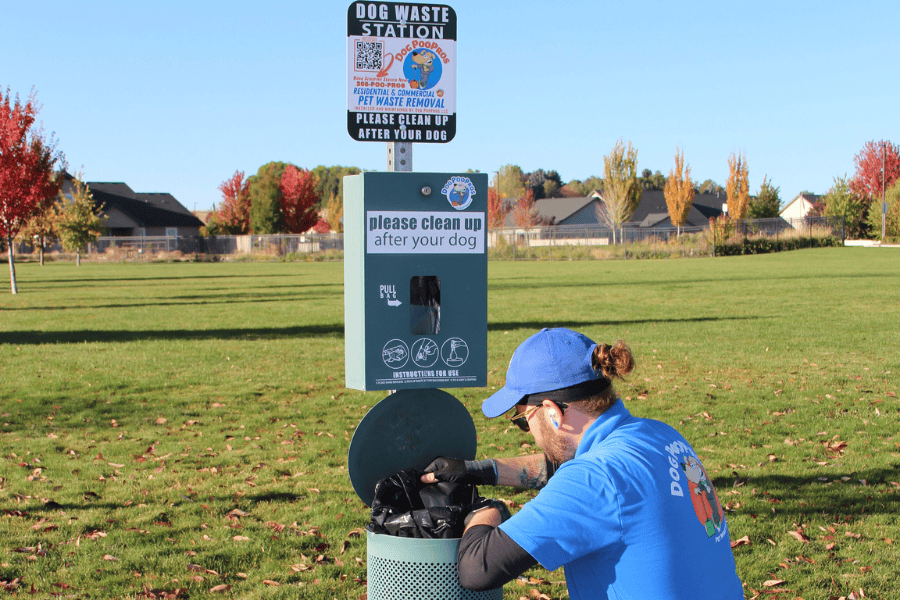
In contrast, landscape companies that stabilize inherited systems early on reduce friction, minimize resident complaints, and demonstrate operational competence from the beginning. These initial successes often form the basis for long-term client retention.
- Final Thoughts
Most inherited HOA dog waste station programs come with hidden operational challenges. Previous vendors may have used incompatible inventory, undocumented refill schedules, inconsistent maintenance procedures, or supplies that no longer match the existing equipment.
Rather than waiting for these issues to generate resident complaints, experienced landscape account managers perform a comprehensive audit immediately after taking over a property. The goal is to identify potential problems early, establish a clear operational baseline, and ensure the program can be managed efficiently from day one. Their focus is simple:
- Verify dispenser compatibility.
- Establish consistent refill schedules.
- Identify high-visibility locations.
- Document existing equipment conditions.
- Standardize inventory and maintenance procedures.
Taking these proactive steps reduces operational confusion by ensuring every station is properly identified, equipped with compatible supplies, and incorporated into a consistent refill schedule. It also minimizes service interruptions caused by missing inventory or overlooked maintenance issues, making it easier for crews to perform reliable service while giving HOA managers confidence that the program is under control from the very beginning.
Successful dog waste station systems are about more than just keeping dispensers stocked; they’re about creating predictable operations that reduce friction for residents, maintenance crews, and property managers alike. For organizations looking to streamline their dog waste station systems, adopting a standardized operational approach makes day-to-day management more efficient while ensuring future vendor transitions are significantly smoother. (Related: The Complete HOA Dog Waste Station Management Guide for Landscape Companies.)