Meta Description: Learn how to keep your dog safe in parks from poisoning incidents, coyotes, wildlife encounters, and hidden hazards. Practical tools and prevention tips for responsible dog owners.
Pet Safety in Parks Is Becoming a Bigger Issue
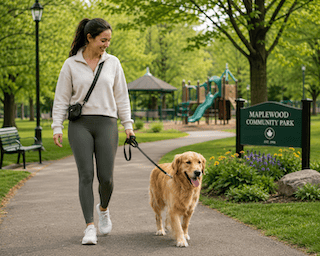
Public parks, trails, and dog-friendly open spaces are some of the best places to spend time with your dog. However, recent reports across California, Oregon, Washington, and Nevada show a growing concern among pet owners: dog safety in parks.
From accidental poison exposure to coyote attacks and wildlife encounters, many dog owners are realizing that keeping a dog safe at the park requires more than a leash and a waste bag.
The good news is that most incidents can be prevented with awareness, preparation, and a few simple tools.
1. Dog Poisoning in Parks: What Every Dog Owner Should Know
Poisoning incidents are becoming a growing concern in public parks. Dogs are naturally curious and often investigate unfamiliar smells by licking, chewing, or eating objects found on the ground.
Potential hazards include:
- Rodent bait
- Fertilizers
- Herbicides
- Pesticides
- Mushrooms
- Human food scraps
- Toxic plants
- Unknown substances left on trails
Tools That Can Help Prevent Poisoning
Keep Your Dog on a Short Leash
A six-foot leash gives you more control and allows you to notice what your dog is investigating before it becomes a problem.
Retractable leashes can make it difficult to react quickly when a dog encounters something dangerous.
Use a Basket Muzzle for Dogs That Eat Everything
For dogs that constantly pick up objects from the ground, a properly fitted basket muzzle can prevent ingestion while still allowing panting, drinking, and normal movement.
Carry a High-Value Treat Pouch
Training a strong “Leave It” command is one of the best safety investments a dog owner can make.
Use treats to immediately redirect attention away from suspicious objects.
Perform a Quick Park Scan
Before letting your dog explore:
- Look for bait stations
- Check for maintenance crews applying chemicals
- Watch for dead animals
- Notice discarded food or trash
A 60-second inspection can prevent a costly emergency vet visit.
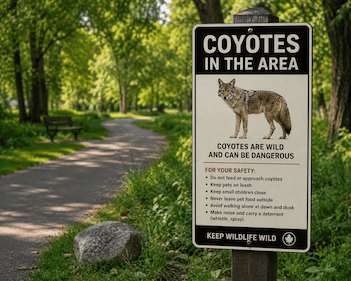
2. Coyote Encounters Are Increasing in Urban Parks
Coyotes have adapted extremely well to suburban and urban environments.
Many parks throughout California, Oregon, Washington, and Nevada have reported increased coyote sightings near:
- Walking trails
- Open space preserves
- Community parks
- HOA greenbelts
- Dog parks adjacent to natural habitat
Small dogs are particularly vulnerable.
Tools and Techniques to Reduce Coyote Risk
Carry a Coyote Deterrent Device
Popular options include:
- Air horns
- Personal safety alarms
- Whistles
- Shake cans filled with coins
The goal is to create sudden noise and convince the coyote that approaching is not worth the risk.
Use a Reflective or Bright Harness
Coyotes are less likely to approach highly visible dogs and owners.
Bright colors improve visibility during dawn and dusk walks.
Avoid Extendable Leashes
Dogs roaming 15 to 20 feet ahead may unknowingly approach wildlife before the owner notices.
A standard leash keeps dogs closer and easier to protect.
Walk During Busier Hours
Most coyote activity occurs:
- Early morning
- Dusk
- Nighttime
Choosing higher-traffic hours significantly reduces encounters.
Keep Small Dogs Close
Many wildlife experts recommend carrying small dogs when a coyote is spotted nearby.
Distance is your best defense.
3. Wildlife Encounters Beyond Coyotes
Coyotes are not the only concern in parks.
Depending on your region, dogs may encounter:
- Rattlesnakes
- Skunks
- Raccoons
- Foxes
- Deer
- Mountain lions
- Aggressive geese
Helpful Safety Equipment
Flashlights and Headlamps
Essential for early morning or evening walks.
Many wildlife encounters happen because owners cannot clearly see what is ahead.
GPS Dog Collars
If a dog becomes spooked and runs, GPS tracking collars can dramatically improve recovery chances.
Snake Avoidance Training
In regions where rattlesnakes are common, professional snake-aversion training can be one of the best investments a dog owner makes.
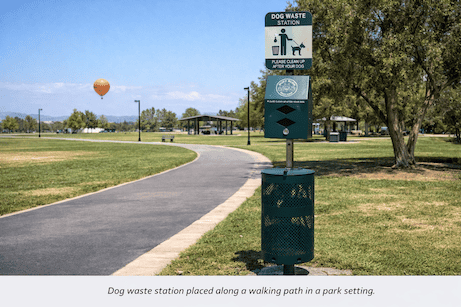
4. Why Picking Up Dog Waste Is Also a Safety Issue
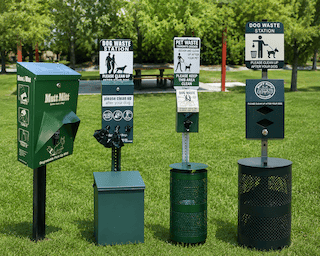
Many people view dog waste as simply a cleanliness issue. Complete Guide to Dog Waste Stations
In reality, pet waste can contribute to:
- Bacteria growth
- Parasite transmission
- Water contamination
- Increased exposure to disease
Responsible waste removal helps create safer parks for everyone.
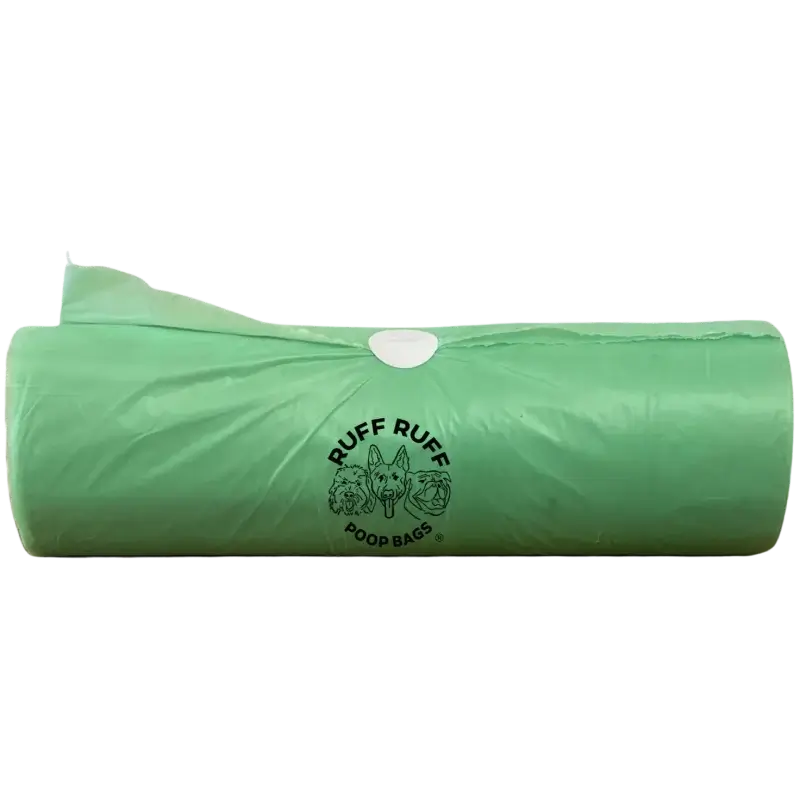
Always Carry Waste Bags
A quality dog waste bag should be:
- Leak resistant
- Tear resistant
- Easy to carry
- Reliable in all weather conditions
At Ruff Ruff Poop Bags, we believe responsible pet ownership starts with simple habits that protect parks, communities, and other dogs.
Whether you are walking in a city park, neighborhood greenbelt, HOA common area, or regional trail system, cleaning up after your dog helps keep public spaces safe and enjoyable.
Quick Park Safety Checklist for Dog Owners
Before every park visit:
✓ Bring waste bags
✓ Bring water
✓ Carry high-value treats
✓ Use a standard leash
✓ Scan the area for hazards
✓ Avoid wildlife-active times
✓ Stay alert around natural habitat
✓ Know where the nearest emergency veterinarian is located
Final Thoughts
Parks should be fun, relaxing places for dogs and their owners. While poisoning incidents, coyotes, and wildlife encounters are becoming more common topics in the news, preparation can dramatically reduce risk.
The most effective safety strategy is simple:
Stay aware, carry the right tools, keep your dog close, and practice responsible park etiquette.
A safer park benefits everyone—from dog owners and families to parks departments and HOA communities working hard to maintain clean public spaces.