Cities are becoming denser, yet the demand for open spaces remains high. In fact, as urban communities face rising temperatures, environmental pressures, and limited access to nature, parks and other public spaces are becoming increasingly important.
A recent National Recreation and Park Association (NRPA) article, “Reclaiming Space for Community, Recreation, and Respite,” https://www.nrpa.org/blog/reclaiming-space-for-community-recreation-and-respite/ explores an important question: When vacant land is scarce, where can cities find room for new parks?
The answer may be hiding in places we already have.
Former landfills, airports, oil fields, gas station sites, utility corridors, and streets can be transformed into spaces that provide recreation, greenery, gathering places, and respite. This approach requires planning, remediation, and long-term investment but also offers a new perspective on what urban parkland can be.
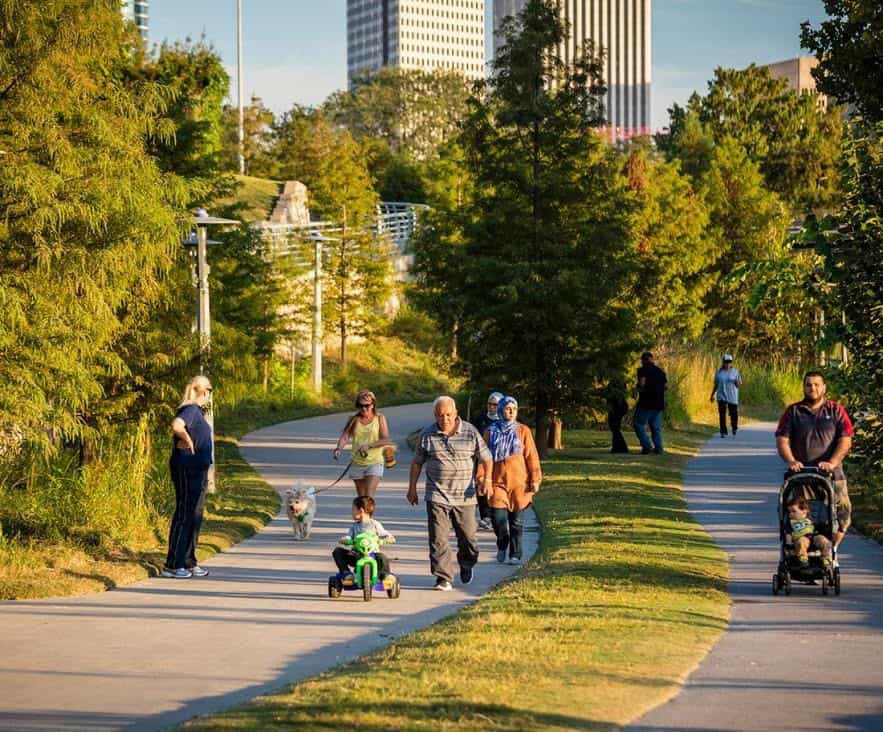
As more communities reclaim these spaces, another important consideration arises: How can we ensure that these parks work for everyone who uses them, including dog owners and their pets?
The Growing Need for Community Green Space
It is particularly difficult to find land for parks in densely developed cities. Land is expensive, there are many competing demands, and many available parcels already have an established purpose.
At the same time, access to parks is becoming more closely linked to broader community needs. Green spaces provide opportunities for recreation, walking, social interaction, and taking a break from the built environment.
The NRPA article highlights Los Angeles County as an example, where public agencies and community organizations are exploring ways to transform previously developed or infrastructure-heavy land into public amenities.
One ambitious project is the transformation of the former Puente Hills Landfill. The 1,300-acre site is being managed through a long-term process, with 142 acres being converted into a park.
Other projects include plans to transform the former Santa Monica Airport, oil extraction sites, gas station properties, and infrastructure corridors.
These projects demonstrate an important principle: creating more parks does not always require finding untouched land. Sometimes it means rethinking existing land.
A Small Space Can Have a Big Impact
Not every community has access to hundreds of acres of land. Fortunately, improving public spaces does not require massive redevelopment projects.
Former gas station sites, excess pavement, underused rights-of-way, schoolyards, streets, and small parcels can contribute to a network of green, recreational spaces.
This is especially important in neighborhoods where residents may not live within walking distance of a large regional park.
While a pocket park cannot replace a 500-acre nature preserve, it can provide shade, seating, walking opportunities, and a place for children to play or for dog owners to stop during their daily walks.
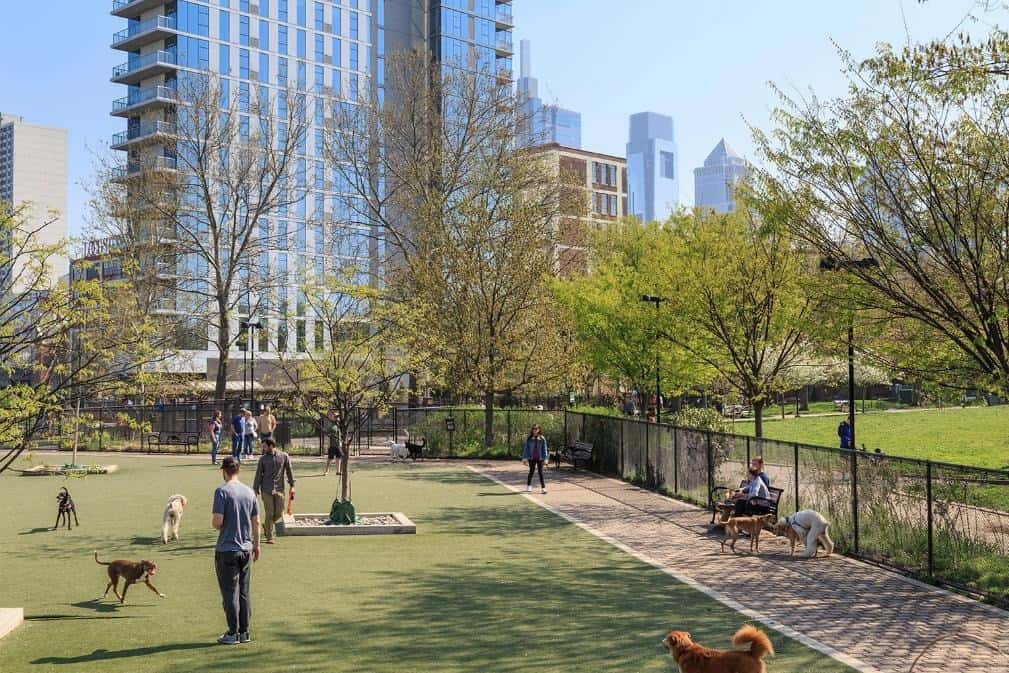
This neighborhood-scale approach also changes the way cities need to think about maintenance. A successful public space is more than just a landscaped piece of land. It must remain clean, safe, accessible, and functional over time.
Designing Parks for People — and Their Dogs
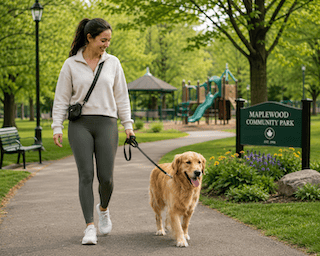
In many neighborhoods, dogs are part of everyday community life, which means their owners are important users of public parks, trails, and greenways.
Therefore, good park design needs to consider the practical realities of dog ownership.
This includes providing convenient waste disposal.
A dog-friendly park can quickly become unpleasant when waste bags are unavailable or dispensers are empty, and when waste bins overflow. Seemingly small maintenance issues can become recurring sources of resident complaints for park departments and property managers.
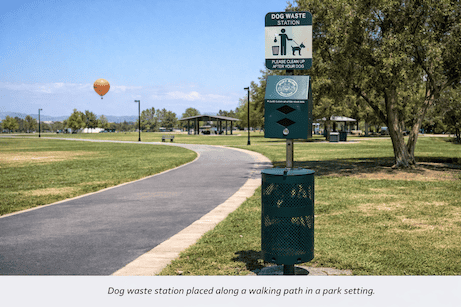
The same principle applies to the placement of dog waste stations. A station that is difficult to see or inconveniently located, even if it is technically present, may not be used consistently.
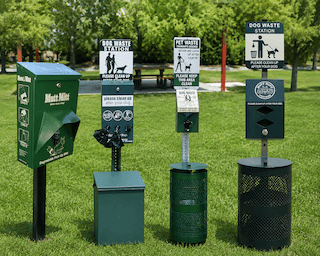
The Dog Waste Station Placement Guide for Parks, HOAs, and Cities can be a useful reference for communities developing new parks or upgrading existing spaces when thinking about where stations should be positioned and how placement can encourage responsible behavior.
The goal is simple. Make it easy for people to do the right thing.
Dog Parks Are Community Infrastructure, Too
As cities rethink public spaces, dedicated dog parks can play a role in community recreation.
A modern dog park is more than just a fenced-in patch of grass. They can be designed with separate areas, shade, water, lighting, and surfaces and spaces that accommodate different types of dogs and users.
Ruff Ruff Poop Bags’ Floof-Forward Dog Park Design approach highlights an important operational point: every design decision creates maintenance responsibilities.
While more amenities can make a space more attractive, they also require ongoing care.
Waste management is one of the simplest examples. Even a beautifully designed dog park can generate complaints if waste bags are difficult to find or the disposal infrastructure is inadequate.
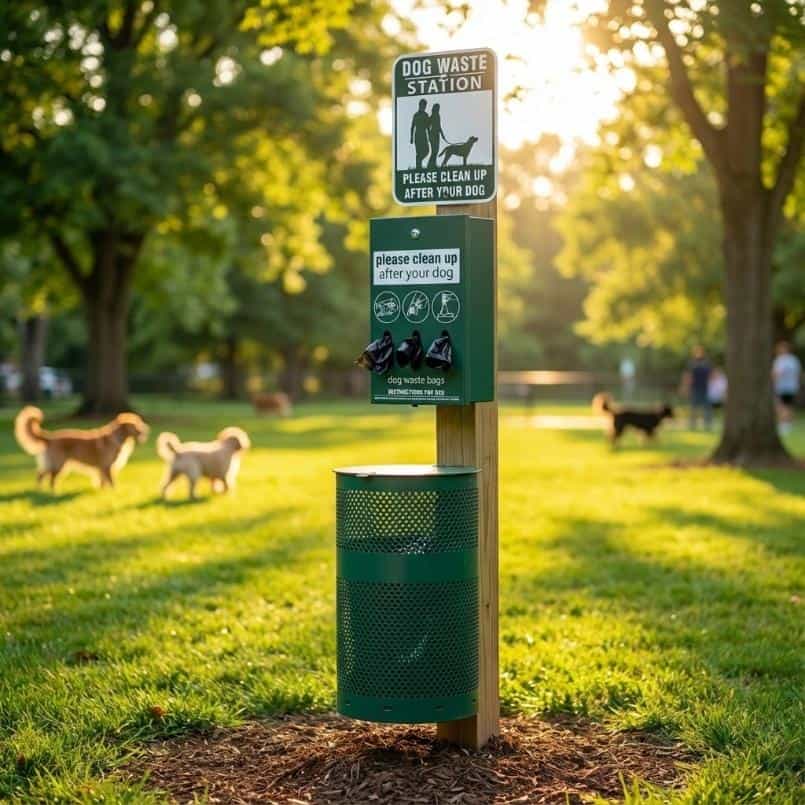
For communities planning or renovating dog parks, the [Dog Waste Stations: Complete Guide for Parks, HOAs, and Cities] provides a useful starting point for considering station placement, stocking, and maintenance.
Clean Parks Help Protect Shared Experiences
Park users have different expectations. For example, a parent may want a clean place for their children to play. A runner might want an unobstructed trail. Someone walking their dog may need a convenient place to dispose of waste. Another visitor may simply want a quiet place to sit under a tree.
These needs can be met when public spaces are designed and maintained thoughtfully.
Therefore, dog waste management is not just a matter of appearance. Responsible waste disposal contributes to the usability of shared outdoor spaces.
Ruff Ruff Poop Bags discusses why waste stations, bags, and consistent cleanup systems are important for public spaces.
Likewise, practical maintenance is important after installation. Even a well-designed station can become ineffective if bags run out, bins overflow, or the hardware deteriorates.
The [Dog Waste Station Maintenance Checklist for Cities, Parks, Trails and HOAs] is particularly relevant here. Infrastructure only delivers its intended benefit when someone is responsible for maintaining it.
Safety Is Part of Good Park Design
When reclaiming space for recreation, it’s important to consider how people and animals experience that space.
For dog owners, safety can involve traffic, fencing, wildlife encounters, and environmental hazards. As parks become more popular and communities expand access to trails and greenways, visitors may encounter unexpected conditions.
The Ruff Ruff Poop Bags article [Pet Safety in Parks Is Becoming a Bigger Issue] explores some of these concerns, including potential encounters with wildlife and other hazards.
This reinforces a broader lesson from urban park planning: accessibility is about more than just opening a gate.
Successful public spaces must be usable, understandable, and well-maintained.
From Forgotten Land to Community Asset
Perhaps the most interesting idea in the NRPA article is the shift in perspective.
Rather than asking, “Where can we build a park?” cities can ask, “How can we repurpose existing spaces to serve the community?”
This opens up considerably more possibilities.
For example, a former industrial property could become a neighborhood green space. A neglected corridor could become a trail. Excess pavement could make room for trees. A former infrastructure site could eventually support recreation and environmental education.
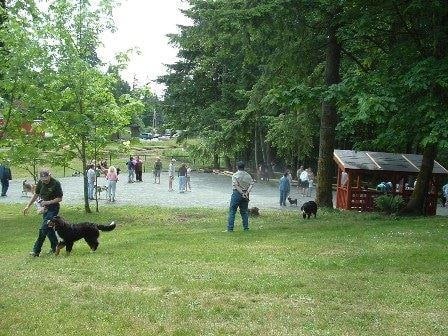
Once these spaces become part of everyday community life, relatively small operational decisions matter.
Where is the nearest waste station?
Is it stocked?
Are walking routes clearly defined?
Is there enough shade?
Are recreational areas appropriately separated?
Are maintenance responsibilities clear?
While these details may seem minor compared to the scale of transforming a landfill or airport, they determine how people experience a park.
Creating Space for Respite Means Creating Space That Works
Reclaiming urban land is about more than just increasing the amount of land classified as parkland.
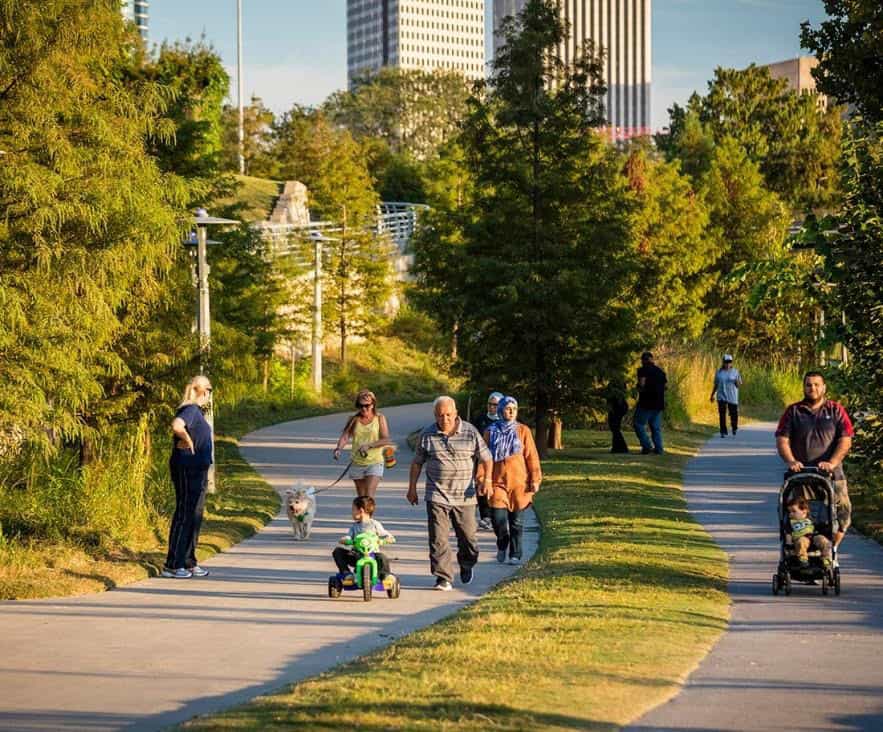
It’s about creating spaces where people can walk, play, exercise, socialize, spend time with their families, enjoy nature, and take a break.
Dogs are part of that picture, too. For many residents, walking a dog is one of the most common ways they engage with their neighborhood’s public spaces.
This requires dog-friendly infrastructure, responsible waste management, and thoughtful park design, all of which contribute to the broader goal of making public spaces welcoming and functional for the people who use them every day.
The NRPA’s examples demonstrate that even heavily developed urban environments offer opportunities for transformation. Some projects may take decades, while others can begin with something as simple as removing unnecessary pavement, planting trees, or improving a small neighborhood space.
The important shift is to view urban land differently.
A former landfill can become a park. A utility corridor can become a greenway. A neglected plot of land can become a pocket park. A well-maintained dog waste station can help keep that new community space clean and accessible to all.
Reclaiming space is only the first step. The real opportunity lies in creating public spaces that communities can use, enjoy, and care for in the long term.